
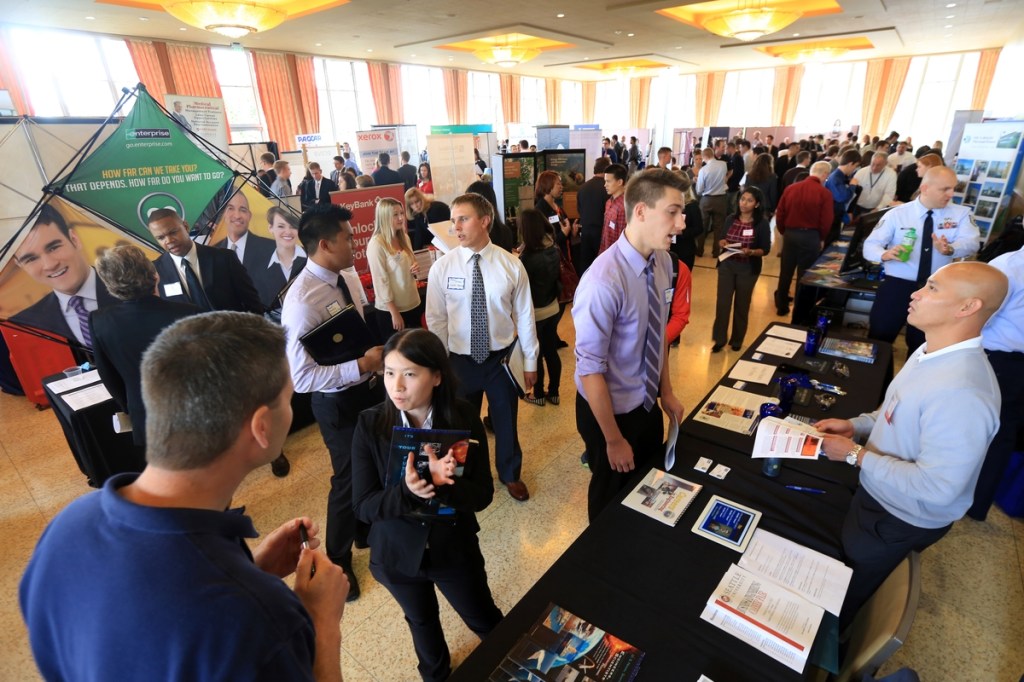
Let’s face it: attending job fairs is a tremendous pain-in-the-neck. They are usually packed with people just like you looking for a job. And sometimes the quality of the companies aren’t very good either. More often than not you leave without accomplishing much.
Research is Key
However, there is some good news. Your approach probably isn’t very good. Why? Because you are attending a job fair with the intention of getting a job. Now, when you attend a job fair you should go there with the mind-set that you already have a job. You should go in with confidence. You should also learn as much as you can about each and every company that is there or at least the ones you are interested in working for. Learn about their culture. Learn about key people in the company. Learn about the positions they are hiring for. Learn about them via social media and any other resource you can find related to the company. Now compare your experience and skill set to what they may be looking for. Craft a resume that highlights your skills and experiences that can benefit those companies.
Plan your day out
When you attend the job fair get a booth map. It is a listing showing you all the booths of the companies at the fair. Examine it carefully and plan out your day. Target the companies that you want to talk to first.
Ask for business cards
When you speak to them immediately ask for a busy card. Politely ask if they have a few minutes to talk. If they do, ask them questions about what they are looking for in a candidate. Ask questions about their training and how they invest in their employees. Also ask about any unadvertised positions they are hiring for.
Information Interviews
Remember when you are at a job fair you should not let a company interview you first. Job fairs are an awesome and a rare opportunity where you can actually ask many questions without feeling like you are bothering anyone.
Think of job fairs as fantastic opportunities in doing information interviews!
As noted before, job fairs can be draining and drawn-out. Don’t let that happen. Target only a few companies that you want to talk to and learn about. Get as many contacts as possible and then move on.
Make a goal of not staying longer than 2 hours at a job fair. Come early and leave before lunch.
Keep Your Resume
Reserve giving your resume to only companies that you feel are a good fit. It is recommended not to leave your resume or any contact information. The companies at the job fair are usually flooded with other job seekers’ resumes that yours will simply get lost in the shuffle.
Quickly organize and synthase new information
When you get home organize your contacts. Be sure to send a thank-you note to everyone that you spoke to and helped you during the job fair. Also, looking through any magazines or additional information that you picked up at the job fair and place them in a portfolio you can use for reference. Throw out the rest. Being a job seeker leads to a lot of paperwork like magazines and freebies that are just filler. Immediately throw out anything that will not help you.
Job fairs are about learning
In conclusion job fairs are rarely a place find immediate employment. They are however excellent settings to set up quick information interviews and retrieve contacts that you can add to your growing database of people that can aid you in getting a job.
Be sure to never look for a job at a job fair. Instead look for opportunities there that will help you build a increasingly strong foundation for finding a job.
Image: Seattleu

 briantrota.com